
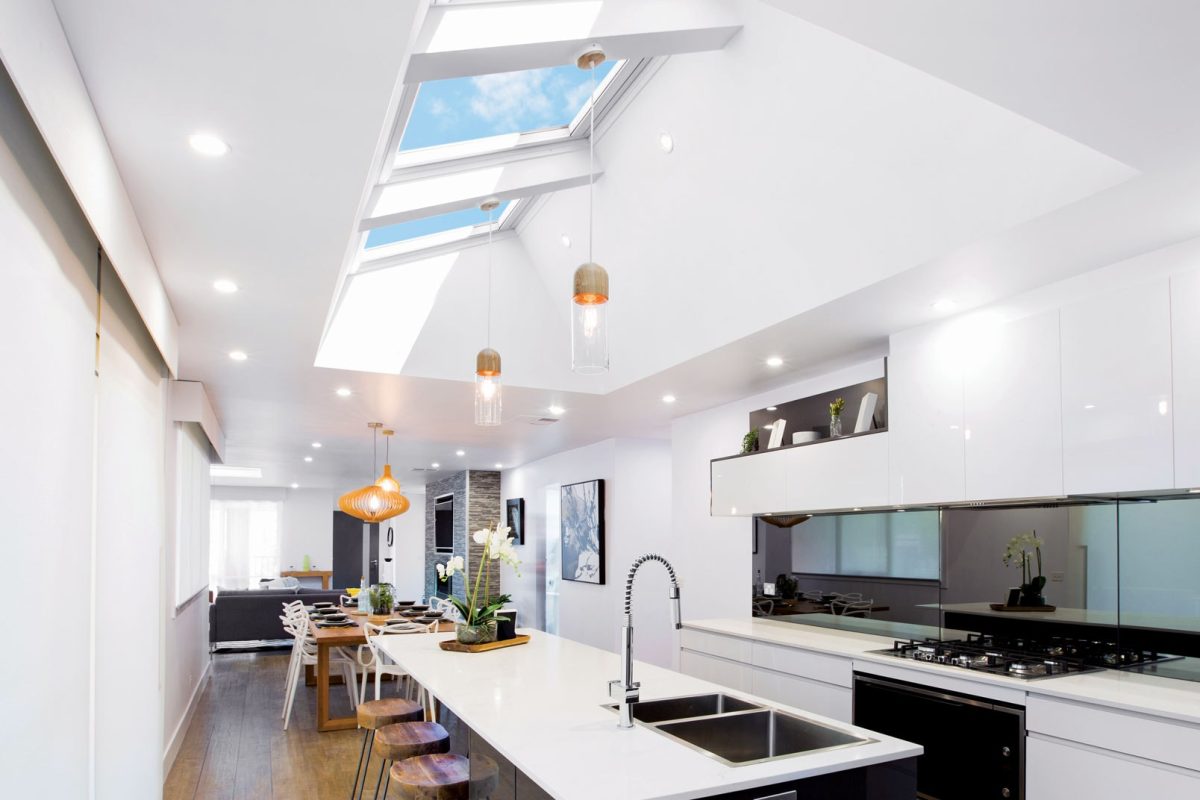
Knowing how long do skylights last is an essential piece of information for homeowners looking to maintain or upgrade their property. Skylights are a fantastic way to brighten up any home or office with natural light. They add aesthetic appeal and can increase energy efficiency.
However, like any part of your home, skylights have a limited lifespan. Knowing when to replace your skylight and how to maintain it is crucial. This article will explore the factors affecting skylight longevity and how to ensure they provide long-lasting benefits. Read on to learn more about maintaining your skylights effectively.
Factors Influencing the Lifespan of Skylights
Several factors determine how long skylights last. First, the quality of materials used is crucial. High-quality materials, like those in VELUX skylights, can last up to 20 years. Lower-quality materials often lead to a shorter lifespan.
Proper skylight installation is essential. Improper installation can cause leaks and other issues. It’s best to hire a professional installer to ensure the skylight is well-sealed and structurally sound.
Environment and Upkeep
Environmental factors also affect skylight longevity. Skylights exposed to extreme weather conditions, such as heavy rain, snow, or intense sunlight, may wear out faster. Regular maintenance and timely roof repairs can help mitigate these effects.
Finally, regular care and maintenance are key. Homeowners should inspect skylights for signs of wear and tear. Cleaning the skylight with non-abrasive cleaners and checking the sealant around the skylight helps prevent leaks. This maintenance prolongs the skylight’s lifespan.
Average Lifespan of Different Types of Skylights
The lifespan of a skylight varies based on its type, functionality and features.
Fixed Skylight Life Expectancy
Fixed skylights typically last the longest, often up to 20 years. These skylights are sealed and don’t have moving parts, reducing the risk of leaks and wear.
Ventilated Skylight Life Expectancy
Ventilated skylights provide natural light and ventilation. They have moving parts for opening and closing. This can lead to more wear and tear over time. With proper maintenance, these skylights typically last around 15 years.
Sun Tunnel® Lifespan
Tubular skylights are smaller and designed to bring light into tight spaces. Their lifespan can be similar to fixed skylights, usually around 20 years. However, the roofing material around the skylight must also be considered. If the roof needs replacing, it may be time to replace the skylight as well.s
Signs That Your Skylight Should Be Replaced
Knowing when a skylight needs to be replaced is crucial for maintaining your home. Regular inspections can help homeowners decide when it’s time for a new skylight. Here are common signs indicating it’s time for a skylight replacement:
- Leaks and Water Damage: If you notice water stains on the ceiling or drywall around the skylight, it may be leaking. Even small leaks can lead to larger problems over time.
- Condensation and Fogging: Persistent condensation or fogging between the glass panes suggests a broken seal. This reduces the skylight’s energy efficiency and indicates it needs to be replaced.
- Cracks or Physical Damage: Visible cracks or damage to the skylight are clear signs that it’s time to replace the skylight. Damaged skylights can lead to leaks and further structural issues.
- Discoloration or Yellowing: Skylights should provide clear natural light. If the skylight is discolored or yellowed, it may be due to UV damage or age. This affects the quality of light and indicates the skylight has reached the end of its lifespan.
- Drafts and Temperature Changes: If you feel drafts or notice significant temperature changes near the skylight, it may be improperly sealed. This reduces energy efficiency and suggests the skylight needs replacement.
Recognizing these signs early can prevent more extensive roof repairs and help maintain the comfort and energy efficiency of your home.